Let’s start with the first thing: when a customer reaches out saying their plunger valve is hard to turn, I get it— I’ve heard this dozens of times over 12 years as a plunger valve supplier, and it’s never a one-size-fits-all problem. People often jump to blaming the valve itself, but half the time, the issue comes down to installation, maintenance, or even how they’re using the system around it. Let’s break this down step by step, like I’d walk a new client through it in a call, no overly technical jargon, just practical stuff that actually fixes the problem. Plunger Valve

First, let’s talk about the plunger itself— the core part of the valve that moves up and down to open or close. Plunger valves rely on a tight, precise fit between the plunger and the packing (the material that seals around it to stop leaks). If that fit’s off, friction builds up, and turning the valve becomes like trying to move a stick in thick mud. Wait, why would the fit be off? A few common reasons here. First, corrosion. If the valve’s in a system with corrosive fluids— like brine, wastewater, or even some industrial chemicals— over time, the plunger or the valve’s body can develop tiny rust spots or mineral deposits. Those deposits aren’t smooth; they catch on the packing every time you try to turn the handle. I remember a client in the food and beverage industry who had this problem last year. They installed a plunger valve for their water processing line, and within three months, the handle was impossible to turn. Turns out, the water had high mineral content, which built up scale on the plunger. We cleaned the plunger and adjusted the packing tension, and it worked perfectly. Another client, in oil and gas, had a similar issue but with corrosion from sour gas. The plunger had pitting— small holes— that made contact with the packing uneven, so the friction skyrocketed. That time, we swapped the standard steel plunger for one with a chrome coating, which is more resistant to corrosion, and they haven’t had a problem since.
Then there’s the packing itself. Packing is the unsung hero of a plunger valve— it’s what prevents fluid from leaking out around the plunger. But if it’s over-tightened during installation, that’s a huge problem. I see this all the time: installers crank down on the packing gland to stop leaks, and they don’t realize they’re putting way too much pressure on the plunger. Think of it like putting a rubber band around a pencil too tight— you can’t move the pencil anymore. Last quarter, a client from a pharmaceutical plant called us in a panic because their new plunger valve was so hard to turn they thought it was defective. We walked them through a quick check: they’d tightened the packing gland to 50 foot-pounds, when our recommended torque is 25-30 foot-pounds for their size valve. Loosening it just a little fixed the issue immediately. But wait, it’s not just over-tightening— under-tightening can cause problems too, but not the hard turning we’re talking about here. Under-tightening leads to leaks, which is a different headache. Another thing with packing: it dries out over time, especially if the valve is rarely used. If a valve sits closed or open for months, the packing material loses its lubrication, so it becomes stiff and grips the plunger too hard. We always tell clients to operate their plunger valves at least once a month to keep the packing lubricated, but I know some industrial facilities just can’t do that. For those, we recommend adding a small amount of food-grade or industry-specific lubricant (whatever’s compatible with their system) to the plunger annually— no need to take the valve apart, just apply it around the base where the plunger comes out.
Next, let’s talk about the handle and stem assembly. Sometimes the problem isn’t the valve’s internal parts, but the connection between the handle and the stem that moves the plunger. If the stem is misaligned— like if it’s bent from being dropped during installation, or if the valve body shifted when the pipe was welded around it— that puts extra stress on the plunger. Imagine trying to move a door handle that’s tilted to one side; it’s hard to turn, right? A bent stem is a common one. We once had a client in a municipal water system who had three plunger valves that were hard to turn. Turns out, during pipe installation, the welders bumped the valve stems with their equipment, bending them just enough to throw off the alignment. We had to replace the stems, and after that, all three valves worked smoothly. Another issue here: dirt or debris in the stem threads. If there’s dust, rust, or small bits of pipe scale stuck in the threads where the handle attaches to the stem, that creates friction. A quick clean with a wire brush and some compressed air usually fixes that— no need to replace the whole valve.
Wait, another big one people don’t think about: system pressure. Plunger valves are designed to handle a certain maximum pressure, and if the system is running over that, the valve has to work against extra force to move the plunger. For example, a standard 2-inch plunger valve we supply is rated for 150 PSI, but if the system’s pressure jumps to 200 PSI, the fluid is pushing so hard on the plunger that turning the handle becomes really tough. I had a client in the chemical processing industry who kept replacing plunger valves because they thought they were defective, but it turned out their pressure regulator was faulty, sending 250 PSI through the line. Once they replaced the regulator, the old valves worked fine— no need for new ones. That’s a cheap fix vs. replacing valves, which is why I always ask clients to check their system pressure first when they have a hard-turning valve issue.
What about installation errors that are more hidden? Sometimes, when people install a plunger valve, they pipe it in a way that puts the valve under unnecessary strain. For example, if the pipes are misaligned, the valve body is being pulled or pushed at an angle, which warps the plunger’s fit inside the valve. That’s called “pipe strain,” and it’s super common in large-scale installations. I worked on a project for a power plant last year where 10 plunger valves were hard to turn. The installers had pulled the pipes into alignment instead of cutting them to fit, which put strain on each valve body. Once we re-aligned the pipes to remove the strain, every valve worked smoothly again. That’s a fix that doesn’t involve any parts, just a little rework on the piping.
Now, let’s distinguish between a minor issue that you can fix yourself and something that might mean the valve is past its prime. If your plunger valve is more than 10 years old, has been exposed to extreme conditions (like high heat or constant corrosive fluids), and you’ve already adjusted the packing, cleaned the plunger, and checked the system pressure, it might be time for a replacement. But I always tell clients to rule out the easy fixes first because so many times, it’s not the valve itself. For example, we have a lot of clients who buy low-quality valves from other suppliers, and those have smaller tolerances in the plunger and body, so even minor corrosion can cause hard turning. That’s why we use precision-machined plungers and bodies, with a 0.001-inch tolerance, so the fit is tight but not so tight that it causes excessive friction. But that’s a side note— the main point is most hard-turning plunger valves aren’t defective; they just have a small, easy-to-fix issue.
Wait, I should also mention lubrication. A lot of people forget that plunger valves need lubrication to work smoothly, especially the stem and plunger. Some valves come pre-lubricated, but over time, that lubrication wears off, especially if the valve is operated infrequently. I recommend using a high-temperature, pressure-resistant lubricant— whatever’s approved for your specific fluid— and applying it to the plunger and stem every 6 to 12 months. But don’t overdo it; too much lubricant can attract dirt and debris, which makes the problem worse. It’s a balance.
Let me give a real quick case study to make this concrete. Last month, a client from a wastewater treatment plant reached out, saying their 3-inch plunger valve was so hard to turn they needed two people to operate it. Here’s what we walked them through: first, check system pressure— it was 120 PSI, which was within the valve’s 150 PSI rating, so that wasn’t it. Then, check the packing gland torque— it was at 45 foot-pounds, way too tight. We had them loosen it to 30 foot-pounds, and it turned a little easier, but was still stiff. Next, we asked them to inspect the plunger— they found mineral scale buildup from the wastewater on the plunger. We had them turn off the line, remove the valve bonnet, clean the plunger with a non-abrasive solvent, and re-pack the gland with new packing material. When they put it back together, the valve turned smoothly, no issues. It took them less than an hour, cost almost nothing, and saved them from ordering a whole new valve.
That’s why as a plunger valve supplier, I always tell customers not to panic when their valve is hard to turn. It’s rarely a catastrophic failure. Now, if you’ve gone through all these steps— checked pressure, adjusted packing, cleaned the plunger, aligned the stem, fixed pipe strain— and it’s still hard to turn, then it might be time to talk. Maybe your valve is worn out, or maybe you have a specific application that requires a different type of plunger (like a chrome-coated one for corrosive fluids). That’s when our team can help you pick the right valve, make sure it’s installed correctly, and even offer maintenance plans to prevent this from happening again.
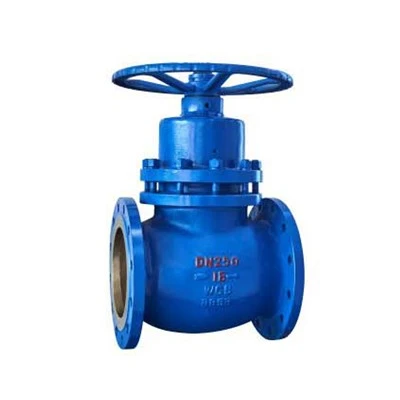
I know dealing with hard-to-turn valves can be frustrating, especially when you’re in the middle of a production run or a project. You don’t have time for equipment issues that stop you from meeting deadlines. That’s why we prioritize being available to help you troubleshoot, even if you haven’t bought a valve from us yet. We’ve been supplying plunger valves for over a decade, working with industries from food and beverage to oil and gas to municipal water, so we’ve seen every kind of issue out there. If you’re tired of fighting with valves that won’t turn smoothly, or you want to make sure you’re installing the right ones for your system, reach out to our team to discuss your needs. We’ll walk you through troubleshooting, help you choose the right valve for your application, and make sure you get the support you need to keep your operations running smoothly.
Ball Valve References:
- Plunger Valve Design and Installation Guidelines, American Society of Mechanical Engineers (ASME) B16.34, 2021
- Packing Material Selection and Maintenance for Industrial Valves, Fluid Sealing Association (FSA) Technical Report 7, 2020
- Corrosion Effects on Valve Performance, NACE International Standard RP0775, 2019
- Pipe Strain and Valve Misalignment Best Practices, American Water Works Association (AWWA) Manual M11, 2022
Wenzhou Starry Valve Co., Ltd.
Wenzhou Starry Valve Co., Ltd. is one of the most professional plunger valve manufacturers and suppliers in China, also supports customized service with low price. Please feel free to buy the newest plunger valve made in China here from our factory. Welcome to contact us for pricelist.
Address: No.4900, 3rd Road, Binhai Industrial Park, Wenzhou Economic & Technological Development Zone, Wenzhou City
E-mail: starryvalves@163.com
WebSite: https://www.starryvalves.com/
