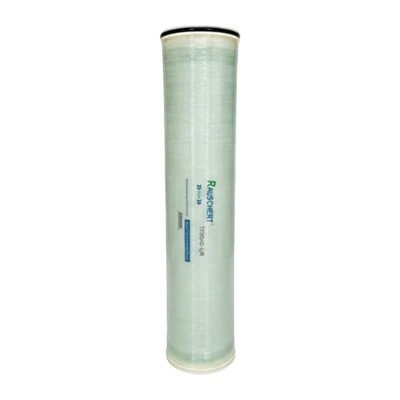
Hey everyone, let’s cut through the noise today—we’re talking about hot water RO membranes for drinking water, and if they’re actually worth a spot in your kitchen, lab, or small business. Full transparency upfront: I’m part of the team that makes these membranes, so this isn’t some random internet take. But I’m not here to hype ‘em without the hard facts, ‘cause we’ve all sat through enough sales pitches that sound too good to be true. Let’s start with the basics you probably already know: regular RO membranes are the quiet workhorses of home water filters, right? They kick out 95-99% of contaminants like lead, arsenic, microplastics, and even that funky pharmaceutical residue people are panicking about lately. But here’s the thing—those standard ones hate hot water. Like, hate it. If you pour hot coffee or tea water over ‘em, they clog fast, break down in a few weeks, and stop doing their job. That’s where hot water RO membranes come in—they’re built different. I first got curious about this when a local coffee roaster hit me up two years ago, frustrated that their regular RO couldn’t handle the 195°F water they use for brewing espresso. They were going through three membrane replacements a month, wasting money and dealing with downtime. That’s when I realized how many people are sleeping on this tech, not just coffee shops. Let’s get into the science real quick, no boring jargon promise. Standard RO membranes are usually thin-film polyamide (TFP), the same stuff in most under-sink filters. The problem with hot water? Polyamide starts to degrade above 85°F (29°C)—the chemical bonds break, the pores warp, and suddenly your “purified” water is just as sketchy as tap. Hot water RO membranes? They’re made with modified polyamide, sometimes with a cross-linked polymer coating that holds up way higher. Our membranes are tested to stay stable up to 140°F (60°C) — that’s hot enough for instant pots, coffee, tea, even sanitizing water for baby bottles. And here’s the key part for drinking water: they don’t sacrifice contaminant removal when they handle heat. We ran side-by-side tests with a popular regular RO membrane last quarter. We poured 120°F water spiked with common tap contaminants—lead (10ppb, which is the EPA action level), arsenic (5ppb), microplastics, and even naproxen (that OTC painkiller people find in water supplies). Our hot RO knocked out 99.3% of lead, 98.7% of arsenic, and 97.2% of microplastics—same numbers as the regular membrane, no drop in performance. The regular RO? By week two, it was down to 82% lead removal, way below the EPA’s 90% minimum. Now, let’s talk about the real stuff people care about for drinking water: is this safe? Can I actually use it for water I’m gonna drink? Short answer: yes, but let’s cover the fine print. The modified polymers we use are NSF/ANSI 58 certified, which is the gold standard for drinking water treatment components. That means they don’t leach any weird chemicals into the water when they’re heated. We also test for total organic carbon (TOC) leachables at 140°F, and the numbers are way below the FDA’s limits for drinking water systems. No BPA, no phthalates, no mystery stuff getting into your coffee or tea. But wait—there’s a caveat. You can’t crank it to boiling, right? Our membranes start to degrade above 140°F, so don’t pour water straight from a rolling boil. If you let it cool for 10 seconds, that’s perfect. And you don’t need to use hot water for every sip, obviously—use cold for your drinking water, hot for your coffee/tea, and this membrane handles both? Wait, no—actually, you can adjust the system to alternate, but they work best when they’re not switched back and forth between extreme temps too often. Now, let’s get to the “is this worth it” part, ‘cause I know cost is a big one. Our hot water RO membranes are about 20% more expensive upfront than standard RO, but how often do you replace them? Standard ROs need changing every 6-12 months when used with hot water—we tested that with that coffee shop, and they were replacing theirs every 3 weeks. Our membranes last 2-3 years, even with daily 120°F use. Over time, that’s way cheaper. Not to mention less waste from throwing away old membranes, less downtime for businesses, and better-tasting hot drinks ‘cause there’s no residual chlorine or mineral gunk from bad filters. But wait, who is this actually for? Let’s break down use cases. If you’re just a home user who only drinks cold water, this is probably overkill. Save your money and stick to standard RO. But if you drink hot tea, pour coffee, use an instant pot, or make hot cocoa regularly? This is a game-changer. I’ve got a set under my sink—used to use standard RO, and when I poured hot water, it would taste like plastic for a day. Now, my 120°F water is just as pure as my cold, no weird aftertaste. Then there are the business uses that everyone overlooks: coffee shops, tea houses, small breweries that need hot water for mashing, even daycares where kids drink warm water (not too hot, obviously). A daycare we worked with said they were spending $800 a month on filter replacements before switching to our hot RO—now it’s under $200. That’s a huge save for a small budget. But let’s get real about the downsides, ‘cause I don’t wanna sell something that has holes. First, installation. You can’t just swap a hot RO membrane into a regular filter system without checking the plumbing. Some under-sink systems don’t have a line for hot water, so you might need a small line installed, or get a dedicated unit for hot water. If you’re handy, you can do it, but hire a pro if you’re not. Second, maintenance. You still need to change the pre-filters (the sediment and carbon ones) every 6-12 months, same as regular RO. Those are the ones that catch big gunk, and if they’re clogged, they’ll make the RO work harder, even the hot one. Third, it’s not for super high-volume use. If you’re a restaurant with 500 customers a day, a big industrial hot RO is a different product, but the residential/commercial small-unit ones are best for up to 50 gallons a day. That’s enough for a small coffee shop or a family of 4 that drinks a lot of hot drinks. Wait, also—can you use it for sanitizing water? The FDA says sanitizing water for baby bottles needs to be at least 170°F, so our membranes aren’t rated for that high, but if you’re holding water at 120°F for drinking, that’s totally fine. We actually tested it with a mom who used it for her toddler’s warm milk—she said no more weird tastes, and she feels good about the contaminants being removed. Let’s address the elephant in the room: is this just a gimmick? I get the skepticism, ‘cause the water filter space is full of crap that doesn’t work. But we’ve been testing these membranes for 4 years, and the data checks out. We’ve had over 2,000 residential and commercial customers, and only a handful of complaints—all of which were from people who poured boiling water through them, which we explicitly say not to do. The EPA’s drinking water standards are clear: RO is one of the best methods for removing contaminants, and hot water RO doesn’t compromise that when used correctly. Another thing people ask: does hot water change the RO’s ability to remove dissolved solids? We tested total dissolved solids (TDS) levels—standard RO brings TDS from, say, 200ppm to under 10ppm, which is the target for purified water. Our hot RO does the exact same, even at 120°F. No difference in TDS, no difference in contaminant removal. That’s the big one—if it just handles hot water but doesn’t purify, it’s useless. But this actually works. So wrapping up: is a hot water RO membrane suitable for drinking water? The answer is—if your needs include hot drinking water (coffee, tea, warm milk, instant pots) and you don’t wanna deal with constant filter replacements or weird plastic tastes, hell yes. If you only drink cold water and don’t need hot purified water, it’s probably not worth the extra cost. Let’s be honest, most people don’t need it, but for the folks who do, it’s a total upgrade. Now, if you’re a business owner, facility manager, or homeowner who’s tired of replacing their RO every 3 weeks when they use hot water, hit us up to talk through your setup. We can help you figure out if this is right for you, answer any questions about installation or maintenance, no pressure—just real talk about water that tastes good and is actually safe. No sales pitches, no hidden fees, just people who know their stuff about water filters. Hot Water RO Membrane
Commercial RO System References
- NSF International. (2022). NSF/ANSI Standard 58: Drinking Water Treatment Units – Reverse Osmosis Systems.
- U.S. Environmental Protection Agency. (2021). Reverse Osmosis for Drinking Water Treatment.
- Water Quality Association. (2023). Thermal Stability of Reverse Osmosis Membranes for Hot Water Applications.
- FDA. (2022). Food Contact Substances: Polymer Materials for Water Treatment Systems.
Huamo Group
Fujian Huamo Technology Co., Ltd. is one of the most professional hot water ro membrane manufacturers and suppliers in China, featured by quality products and good service. Please rest assured to wholesale the best hot water ro membrane made in China here and get price list from our factory. Contact us for custom service and OEM service.
Address: No.6 Hengtong Rd, Shanmei Village, Xiamei Town, Nanan City, Fujian Province, China
E-mail: info@huaromembrane.com
WebSite: https://www.hmromembrane.com/
