Hey pool fam, let’s cut to the chase—how many of you have stared at your pool pump at 7 a.m., mid-filter cycle, and thought, “Is this thing on its last legs?” I get it. I’m not just some random blogger— I’ve been in the pool pump game for 8 years now, and as someone who supplies these bad boys straight to pool owners, I’ve answered this question a million times: How often should you replace a pool pump? Pool Pump
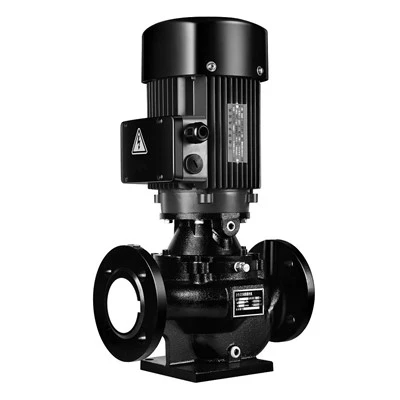
First off, let’s set the record straight—there’s no one-size-fits-all number here, and I’m not gonna bullsh*t you with a generic “every 5 to 7 years” (though that’s the baseline I usually throw out). Wait, why the wiggle room? Because your pump’s lifespan depends on way more than just how old it is. Let’s break this down like we’re hanging by the pool in mid-July, no stuffy tech jargon.
First, what actually makes a pool pump die early? Think of your pump like a marathon runner—if you make it run 100 miles a day, skip water and rest, it’ll crash way before its PR. Same with your pool pump. Let’s start with how often you run it. Most new pool owners think “the longer it runs, the cleaner the water” so they crank it 24/7. Newsflash: that’s a fast track to a dead pump. A typical in-ground pool only needs 8–12 hours a day, tops, depending on size. Run it 20 hours straight? You’re overheating the motor, wearing out the impeller faster, and wasting electricity too. I’ve seen pumps die in 2 years because the owner ran it nonstop like a stuck lawn sprinkler.
Next, maintenance. This is the big one that 90% of people skip, and it’s the reason some pumps last 15 years and others bite the dust at 3. Let’s be real—how often do you clean your pump basket? If you let leaves, bugs, and gunk clog that basket, the pump has to work way harder to pull water, which puts stress on the motor. Same with the filter: if your sand filter’s dirty or your cartridge’s caked with algae, the pump is pushing against more resistance, like you walking through knee-deep mud. I had a customer last year who refused to clean his pump basket for 6 months—his pump burned out in 18 months, and he swore “it just died suddenly.” Nope, it was screaming for help the whole time, he just didn’t listen. Then there’s winterizing—if you live in a cold climate and don’t drain the pump lines before freeze season? Water expands when it turns to ice, and that’ll crack the pump housing or break the impeller. I’ve replaced 10+ pumps a winter from frozen pipes alone.
Wait, what about pump size? A lot of old pools have pumps that are way too big for the pool. Back in the day, builders would slap on a 2-horsepower pump for a 15,000-gallon pool because they thought more power = better. But overpowered pumps run faster, create more friction, and wear out way quicker. It’s like using a sledgehammer to hang a picture—overkill, and you’ll break something. I’ve seen a 10-year-old oversize pump die because the motor was working overtime 24/7, while a properly sized 7-year-old pump in the same neighborhood still runs like a champ.
Now, let’s get back to that “5 to 7 years” baseline. That’s for average pools: properly sized pumps, regular maintenance (clean baskets every 2 weeks, clean filters monthly, winterize if needed, run for the right amount of time). I’ve had customers with that exact setup who replaced their pump at 7 years, no issues. But some last longer— I’ve installed pumps in pools that are 12 years old and still going strong because the owner did all the right stuff. And some die way earlier—like 2 years, if they ran it nonstop, never cleaned anything, and froze it.
But here’s the thing—you shouldn’t wait for it to die to replace it. That’s when you end up with a green pool at 8 p.m. on a Saturday, begging a pool guy to come out and charge you $500 on top of parts. I always tell customers to watch for red flags that mean it’s time to start thinking about a replacement, not panicking:
First, weird noises. If it’s not the normal low hum, and it’s grinding, squealing, or making a rattling sound? That’s either the bearing going out or the impeller breaking. Fixing that used to cost half the price of a new pump, so at that point, it’s smarter to just replace it. Second, spiking energy bills. If your electric bill jumps $50–$100 a month and you haven’t changed anything else, your pump’s working harder to push water because it’s getting old and less efficient. Third, weak water flow. If your jets are weak, even after cleaning the basket and filter, that’s usually a sign the impeller’s worn down and can’t pull water like it used to. Fourth, frequent repairs. If you’ve fixed the pump 2 or 3 times in the last year, it’s not worth throwing more money at it—parts get harder to find, and a new, efficient pump will save you way more on electricity in the long run.
Wait, speaking of efficiency—this is where I can’t not mention that a lot of old pumps are way less efficient than new ones. A 10-year-old standard pump is like driving a 10-mile-per-gallon car—you’re wasting so much money. A variable-speed pump, which is what most people are switching to now, uses 70% less energy than old single-speed pumps. Even if your old pump only “has a few years left,” replacing it now will pay for itself in electric bills in 2–3 years. I had a customer last year who spent $800 a month on electric for his pool, replaced a 10-year-old pump with a variable-speed one, and his bill dropped to $250 a month. That’s $5,500 a year in savings—way more than the cost of the pump.
Now, let’s talk about common myths I hear all the time. Myth #1: “My pump still works, so I don’t need to replace it.” No, it might work, but it’s costing you a fortune in electricity and breaking more often. Myth #2: “All pumps are the same, so it doesn’t matter what I get.” Bullsh*t—there’s a reason some pumps are $200 and others are $1,000. Cheap pumps use lower quality parts, so they break faster. I’ve seen a $200 pump die in a year, while a $800 pump lasts 10+ years. Worth the upgrade. Myth #3: “I can do a pump replacement myself, so why pay for a supplier?” Sure, if you’re handy, but a good supplier will help you pick the right size pump for your pool, explain maintenance, and give you a warranty. I help customers pick pumps all the time—no sales pressure, just what their pool actually needs.
Wait, let’s circle back to the original question. To sum it up: If you do all the right maintenance—clean baskets, clean filters, run the correct hours, winterize—your pump will likely last 7–10 years, maybe longer. If you skip maintenance, run it too much, or have an oversize pump? 2–5 years. But don’t wait for it to die—watch for those red flags, and start planning for a replacement when it’s showing signs of wear, not when your pool turns into a swamp overnight.
And hey, if you’re not sure if your pump’s on its way out, or you need help picking a new one? Hit me up. I don’t do pushy sales—just straight talk, honest advice, and pumps that actually last. Whether you’re replacing a dead one or upgrading to save on electric, I can help you find the right setup for your pool, no hidden fees, no BS.
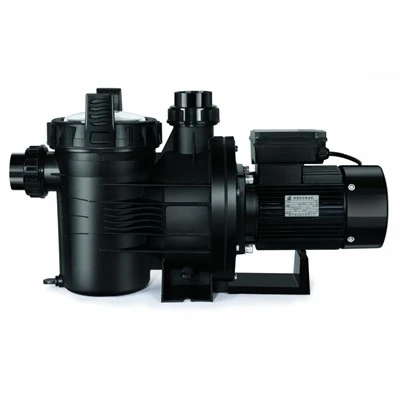
At the end of the day, your pool pump is the unsung hero of your backyard. Take care of it, and it’ll take care of your pool. Don’t skip maintenance, don’t run it 24/7, and when it’s time to replace it, don’t settle for junk. Let’s keep your pool clear, your bills low, and your summer fun, not stressful.
Pool Pump References:
- Pool & Hot Tub Alliance. (2022). Residential Pool Pump Lifespan & Maintenance Guidelines.
- U.S. Department of Energy. (2023). Energy Savings from Variable-Speed Pool Pumps.
- International Standard Organization. (2021). Performance Standards for Circulating Pumps for Swimming Pools.
Hangzhou Nanfang Ouke Pump Industry Co., Ltd.
As one of the most experienced pool pump manufacturers in China, we have world-leading production equipment and strong manufacturing capabilities. Please feel free to wholesale bulk customized pool pump from our factory. Welcome to contact us for pricelist.
Address: No.46, Renhe Subdistrict, Yuhang District, Hangzhou City
E-mail: Gy656169@outlook.com
WebSite: https://www.oukegroup.com/
