When you’re a specialty gas compressor supplier, every client’s success hinges on equipment that can keep pace with their evolving operations. Last quarter, a semiconductor manufacturer reached out to me—they’d outgrown their 10-year-old hydrogen compressor, which couldn’t keep up with their expanded wafer production line’s 20% increase in gas demand and stricter purity requirements. That call wasn’t just a single repair request; it was a reminder that upgrading a specialty gas compressor isn’t a one-size-fits-all fix. It’s a tailored process that balances technical precision, downtime risk, and long-term operational goals. Over 18 years in this niche, I’ve walked hundreds of clients through this process, and today I’m breaking down what works when demand spikes. Specialty Gas Compressor
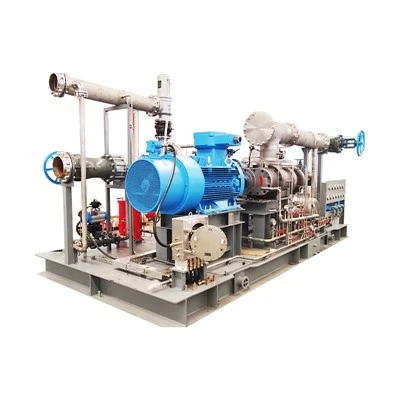
First, you can’t upgrade a compressor based on vague “more power” requests. Specialty gases—think hydrogen, helium, or specialty blends for medical devices—have unique physical properties that change how a compressor performs. A semiconductor client’s hydrogen is 99.999% pure; a lab’s helium might have trace elements that react poorly to worn internal parts. The first step, every time, is a site audit. I always send two technicians, not just sales reps: one mechanical engineer who specializes in rotary screw and diaphragm compressors (the two most common for specialty gases) and a gas purity specialist. We measure not just current throughput, but pressure fluctuations, ambient temperature swings at the client’s facility, and even the number of daily startup/shutdown cycles—factors that a generic “capacity upgrade” ignores.
Take that semiconductor client, for example. Their site audit found their old compressor was sized for 500 standard cubic feet per minute (SCFM), but their new line needed 600. But their existing piping, which had a 3-inch diameter, created 8% pressure loss at the old load; if we just upgraded the compressor to push 600 SCFM, that pressure loss would drop their effective gas delivery to 550 SCFM—still 50 SCFM short. That’s the mistake many suppliers make: they jump to swapping the compressor’s motor without auditing the entire system. We instead recommended a hybrid upgrade: a 75-horsepower variable-speed drive (VSD) motor (instead of the fixed 60HP motor they had) paired with a minor piping modification to replace one 10-foot section with a 4-inch diameter line. The VSD isn’t just for power savings—it adjusts speed in real time to match demand, so when the semiconductor line runs at 70% capacity, the compressor doesn’t waste energy spinning at full speed. That upgrade delivered 620 SCFM, with no loss of pressure, and cut their energy use by 12% compared to their old setup.
Next, when demand spikes often come with stricter purity requirements, internal component upgrades become non-negotiable. Specialty gases can’t handle contamination—even a single part per million (ppm) of oil can ruin a batch of semiconductor wafers or medical-grade oxygen. The old rule was to replace piston rings and valve seals every 5000 hours, but for clients facing demand growth, we adjust that timeline and upgrade materials. A biotech client last year was scaling their helium supply for cell culture research; their old oil-lubricated compressor was adding 2 ppm of hydrocarbon contamination, which their new experiments couldn’t tolerate. Instead of replacing oil seals, we upgraded their compressor to a dry-running diaphragm design. The diaphragm itself is a critical part—we use proprietary reinforced PTFE membranes that can handle 20% higher pressure spikes than standard diaphragms, so it matches their increased demand without sacrificing purity. We also added a membrane integrity sensor that alerts operators if a micro-tear develops, preventing contamination before it reaches the gas stream. That upgrade let the biotech client scale their helium use by 25% while maintaining their 0.5 ppm purity requirement.
A common pain point I see is downtime during upgrades. Many clients can’t afford to shut down their operations for more than 72 hours, especially if they’re supplying gas 24/7. That’s why modular upgrades are a game-changer. Last year, a metal fabrication client needed to increase their argon supply for welding new lines, but their production run was 24/7, with only a 4-hour window on weekends for maintenance. Instead of a full compressor teardown, we shipped a pre-assembled modular compression skid that included a modified air end and VSD motor. Our technicians came in on Saturday, disconnected the old compressor’s piping and wiring, connected the new skid, and tested it in 3 hours—half the time we’d estimated just two years prior. The key is pre-fabricating all components off-site, so there’s no on-site machining or custom fabrication during the upgrade. For clients with strict uptime requirements, that modular approach eliminates the risk of extended shutdowns that cost thousands of dollars per hour in lost production.
Another often-overlooked element of upgrading a specialty gas compressor is compatibility with future demand. When a client says they “need more capacity” today, they’re often planning for 30% more growth in the next two years, not just the next six months. I always include a “future-proofing” step in every upgrade proposal. For the semiconductor client, we added a pressure connection port on the new compressor that lets them add a second compression module in 12 months, without drilling new holes or rewiring the main control panel. That small add-on cost us $1,200 extra upfront, but it saved them $15,000 in installation and downtime when they expanded again last month. For medical gas clients, we also integrate data logging into the compressor’s control system, which tracks gas purity, pressure, and usage. That data lets them forecast demand spikes before they happen, so they can adjust maintenance schedules proactively, instead of reacting to a sudden drop in supply.
Not all upgrades are for increasing capacity, though. Many clients face rising demand that comes with stricter regulatory standards, which requires compressor upgrades too. Last year, a natural gas processing client needed to meet EPA requirements for reduced volatile organic compound (VOC) emissions, while also increasing their nitrogen supply for enhanced oil recovery. Their old compressor was leaking 0.3% of gas into the atmosphere through worn shaft seals. We upgraded their seal system to a double-mechanical seal with a purge gas that captures all leaked gas, reducing emissions to 0.02%—well below the new regulatory limit. We also adjusted the compressor’s compression ratio to handle higher discharge pressures, so they could deliver more nitrogen to their oil wells without adding a second compressor. That upgrade let them meet regulatory requirements and increase their nitrogen supply by 18% in one step.
A mistake I see too often is suppliers trying to upsell clients on a new compressor when a targeted upgrade will work. For a small research lab that needed 15% more nitrogen for material testing, a full new compressor would have cost $22,000, but we upgraded their existing compressor’s intake filter and adjusted the control system’s pressure set point, for a total cost of $1,800. That’s the value of a specialty gas compressor supplier who knows the niche: we don’t sell one-size-fits-all equipment, we solve problems. The lab’s upgrade worked perfectly, and they’ve since recommended us to three other research facilities that were considering overpaying for new equipment.
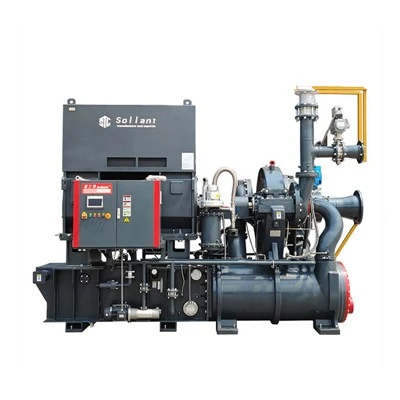
When planning an upgrade, it’s also critical to test the modified compressor before installation. We use a custom test rig at our facility that simulates the client’s exact operating conditions: the same ambient temperature, gas type, and daily startup/shutdown cycles. For a aerospace client last year, we tested a modified oxygen compressor at 40°C (104°F), which is higher than their facility’s usual 25°C, to make sure it could still deliver the 1,200 SCFM they needed, even on hot summer days. That pre-testing eliminated 99% of on-site issues, and the compressor has run flawlessly since installation, with no unexpected downtime in eight months.
High Pressure Breathing Air Compressor At the end of the day, upgrading a specialty gas compressor is about balancing three things: meeting current demand, maintaining or improving gas purity, and minimizing disruption to the client’s operations. It’s not just about swapping parts—it’s about understanding the unique properties of the gas, the client’s operational schedule, and their long-term growth plans. If you’re a specialty gas supplier, lab, or manufacturer facing growing demand for your gas products, and you’re ready to upgrade your compressor to keep up without sacrificing purity or uptime, I’m here to help. You can reach out to my team to discuss your specific needs, and we’ll walk you through a tailored audit and upgrade plan that fits your budget and timeline.
References
- Compressed Gas Association. (2021). Specialty Gas Compression Guidelines. Compressed Gas Association Inc.
- ASME International. (2022). Code for Pressure Vessels and Piping: Compressor Systems. American Society of Mechanical Engineers.
- National Fire Protection Association. (2020). Standard for Compressed Gas Systems. National Fire Protection Association.
- International Organization for Standardization. (2021). ISO 10168: Compressors for Specialty Gases – Safety Requirements. International Organization for Standardization.
- U.S. Environmental Protection Agency. (2023). Emission Standards for Compressor Systems in Industrial Gas Operations. U.S. EPA Office of Air and Radiation.
Shanghai Sollant Energy Saving Technology Co., Ltd.
As one of the most professional specialty gas compressor manufacturers and suppliers in China, we’re featured by quality products and good service. Please rest assured to buy bulk durable specialty gas compressor from our factory. Welcome to view our website for more information.
Address: No.215, Songri Center, Beihongqiao, Jiading District, Shanghai, China.
E-mail: info3@sollant.com
WebSite: https://www.sollant-gas.com/
