If you’ve ever been on a construction site, a landscaping job, or even hauling old landscaping debris off a residential lot, you’ve definitely seen a dump trailer. They’re the unsung workhorses of so many industries—heavy-duty enough to move dirt, stone, and scrap metal, but useful for small jobs too. But here’s the question I get all the time from new customers and folks looking to upgrade their rig: “How long will this thing actually last?” As a dump trailer supplier who’s been in this game for almost 12 years, I’ve seen everything from a 1990s model still hauling 10-ton loads daily to a brand-new trailer beat to scrap in a single year of rough use. So let’s break it down, no fancy jargon, just real talk about what determines a dump trailer’s lifespan and how you can make yours last as long as possible. Dump Trailer
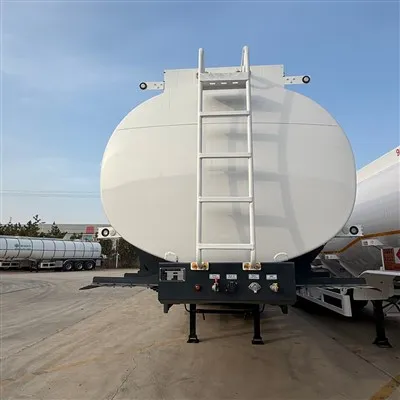
First, let’s get one thing straight: there’s no one-size-fits-all number. A lot of people will tell you “10 to 15 years,” but that’s only if you take care of it. If you run it into the ground, skip maintenance, and overload it every chance you get? You might be shopping for a new one in 3 years. If you baby it, stick to its rated capacity, and keep up with small fixes? I’ve got customers whose trailers are 20+ years old and still going strong. The biggest factors that affect lifespan aren’t the brand or price tag—they’re how you use it and maintain it.
Let’s start with use case, because that’s the biggest variable. A dump trailer used for light, occasional residential jobs (like hauling a few yards of mulch once a month, or moving a bedroom’s worth of old furniture) is going to last way longer than one used every single day on a construction site. Construction dump trailers are out in the rain, exposed to salt in the winter for road work, and loaded way close to their max capacity way too often. Landscaping trailers? They’re hauling dirt and stone, which are abrasive, and they’re often backed into uneven ground, putting extra stress on the frame. A farm dump trailer might get used to haul hay bales, feed, and old fencing parts, so it’s exposed to manure, corrosive fertilizers, and mud that can eat away at metal if you don’t clean it regularly. I’ve seen a farm trailer that was kept in a barn when not in use, never hauled heavy loads, and it’s lasted 25 years. Another customer uses his same model every day to haul demolition debris, and he’s had to replace the hydraulics three times in 7 years—so he’s already shopping for a new one.
Next, build quality. Not all dump trailers are made equal, and that’s a big part of the equation. When I started out, I sold cheap off-brand trailers to residential customers who just needed something for occasional jobs. 9 times out of 10, those customers came back 3 years later saying the frame was rusted through, or the hydraulics blew out. Cheap trailers use thinner steel, skip the corrosion protection, and cut corners on the hydraulic system to save money. My customers who buy our mid-range or heavy-duty models—ones with 10-gauge steel frames, powder-coat paint, and commercial-grade hydraulics—those last way longer. I’ve had a customer who bought one of our 14,000-lb GVWR (gross vehicle weight rating) trailers 8 years ago, and he still uses it to haul stone for his side landscaping business. The only work he’s had to do was replace a brake line and grease the bearings once a year. That’s the difference between a $5,000 trailer and a $8,500 one—you’re not just paying for the brand, you’re paying for parts that hold up. That said, even a top-tier trailer won’t last if you misuse it.
Now, let’s talk about the biggest killers of dump trailers, because if you avoid these, you can add years to your rig’s life. First up: overloading. So many guys see a trailer and think, “It looks like it can hold more, so I’ll load 11,000 lbs on a 10,000-lb GVWR trailer.” That’s the fastest way to break it. Overloading puts way too much stress on the frame, the axles, and the hydraulics. Every time you lift a trailer that’s over its rated capacity, you’re straining the hydraulic pump and cylinders, which will blow out way earlier than they should. I once had a customer who swore his trailer could handle extra weight, and he was hauling old asphalt from a demolition job. After 6 months, his frame had a crack in the front, and his hydraulic cylinder was leaking so bad it wouldn’t lift half the load. He ended up having to weld the frame and replace the cylinder, which cost him more than a new trailer would have. Rule number one: check the GVWR, and never go over it. It’s printed right on the driver’s side door jamb of the trailer, or on a plate on the frame—don’t ignore that number.
Second, corrosion. This is the silent killer. Dump trailers get exposed to all kinds of stuff: rain, snow, salt, mud, manure, chemical fertilizers. If you leave all that crud sitting on the frame, the body, and the undercarriage, it will eat through metal from the inside out. I’ve seen trailers that were barely 5 years old with rust holes in the bed because the owner never washed the mud and dirt off. How to fight this? At least once a month, give your trailer a good wash, especially the undercarriage, the axles, and the inside of the dump bed where dirt accumulates. If you live in a place that uses road salt in the winter, wash it every two weeks during that season. And if you can, store it in a garage or covered area when you’re not using it—even a simple carport will protect it from rain and snow. Another pro tip: touch up any scratches or chips in the paint as soon as you see them. A small chip turns into a rust spot, which turns into a hole in a year or two.
Third, skipping maintenance. A lot of new trailer owners think, “It’s a trailer, I don’t have to service it like a truck.” Wrong. The hydraulics system, the bearings, the brakes—all of that needs regular checks. Every 100 hours of use (or at least once a quarter, if you’re using it less), grease the wheel bearings. If you don’t, they’ll wear out, and you’ll end up with a flat tire or a broken axle. Check the hydraulic fluid level every month, and top it off if it’s low. Low fluid makes the hydraulics work harder, which wears out the pump and cylinders faster. Inspect the brakes every time you use it, and replace worn pads or shoes before they damage the rotors. I offer a free maintenance checklist with every trailer I sell, and I can’t tell you how many customers say following that simple checklist has added 5+ years to their trailer’s life. It’s not rocket science—just a 15-minute check every month.
Now, what about the average lifespan numbers, broken down by type? Let’s make this concrete. For light-duty residential dump trailers (GVWR under 10,000 lbs, used for occasional jobs): if you take care of it, that’s 10 to 15 years. If you’re rough on it, 5 to 8 years. For mid-duty commercial trailers (10,000 to 14,000 lbs, used for landscaping, small construction jobs): 12 to 18 years with good maintenance, 6 to 10 years if misused. For heavy-duty trailers (14,000 lbs and up, daily construction, farm, or demolition use): 15 to 20 years if cared for properly, 8 to 12 years if you’re running it hard. And I’ve got a few outliers: that 25-year-old farm trailer I mentioned earlier, and a 22-year-old construction trailer that’s still going because the owner keeps up with every little repair. The key is consistency, not perfection.
Wait, let’s address a common myth I hear all the time: “Aluminum trailers last way longer than steel.” That’s partially true, but not the whole story. Aluminum is more corrosion-resistant than steel, but it’s softer, so it dents easier. If you’re hauling sharp, heavy debris like concrete chunks or scrap metal, an aluminum trailer might dent badly after a few uses, and dents can trap dirt and moisture, leading to hidden corrosion anyway. Steel trailers, if they’re coated properly, hold up better to heavy, sharp loads. It’s a trade-off, not a clear “aluminum is better” or “steel is better” answer. It depends on what you’re hauling. If you’re hauling lightweight, non-abrasive stuff like mulch or hay, aluminum is a great choice for corrosion resistance. If you’re hauling heavy, rough stuff, steel is going to be more durable long-term, even with a bit of extra maintenance to prevent rust.
Another thing that affects lifespan: how you operate the trailer. Don’t drop the dump bed all the way down hard—slamming it puts stress on the hydraulic cylinders and the hinges. Don’t back the trailer up onto curbs or rough ground with the bed loaded, because that twists the frame. And when you’re not using it, don’t leave the hydraulic cylinder extended all the way for months at a time. That puts constant pressure on the seals, which will wear out faster. Just lower the bed all the way down when it’s in storage, that’s the best way to protect the seals.
Now, let’s talk about when you should replace your dump trailer, instead of patching it. A lot of guys will keep fixing a trailer for years, even when it’s costing them more in repairs than a new one would. Here are the signs it’s time to upgrade: frame cracks that can’t be welded properly, repeated hydraulic failures that cost more than a new system, rust holes in the bed that are too big to patch, or the trailer is no longer rated to handle the loads you need to haul. If your trailer is at the end of its lifespan, don’t push it too far—you don’t want it failing in the middle of a job, leaving you stranded and costing you money in missed deadlines.
At the end of the day, your dump trailer is an investment. Whether you’re a homeowner doing yard work, a landscaper running a business, or a contractor on a construction site, a good trailer will save you time and money for years. If you’re in the market for a new dump trailer, don’t just go for the cheapest option. Look for one with a solid frame, good corrosion protection, and a warranty that covers the hydraulics and frame. And remember, the lifespan isn’t set in stone—you’re the one who determines how long it lasts, with how you use it and how you maintain it.
If you’re ready to pick out a dump trailer that fits your needs, or you have questions about maintenance, load limits, or anything else, feel free to reach out to our team to chat through what works best for you. We’ve been helping customers find the right dump trailers for over a decade, and we’re happy to walk you through every step, from choosing the right size to setting up a maintenance plan that keeps your trailer running for years. Don’t hesitate to connect with us to start your next hauling setup.
Box Trailer References
- National Association of Landscape Professionals. (2022). Equipment Maintenance Guidelines for Landscape Professionals.
- Trailer Body Manufacturers Association. (2021). Dump Trailer Durability and Lifespan Study.
- Construction Equipment Guide. (2023). Heavy-Duty Trailer Operation and Safety Best Practices.
- American Farm Bureau Federation. (2022). Farm Equipment Longevity and Care Recommendations.
Shandong Huayuanda Automobile Manufacturing Co., Ltd.
As one of the most experienced dump trailer manufacturers and suppliers in China, our products have good reputation in the market. We warmly welcome you to buy high quality dump trailer at low price from our factory. If you have any enquiry about cooperation, please feel free to email us.
Address: Industrial Park, Quanpu Town, Liangshan County, Jining City, Shandong Province
E-mail: Huayuanda2024@163.com
WebSite: https://www.hydtrailer.com/
