Hey there, welcome to my little corner of the internet. I’m Jake, and I’ve been running an aluminum veneer supply business for almost a decade now. Every single week, I get at least a few comments, DMs, and even questions at trade shows that start the same way: “Wait, aluminum veneer? Is that even eco-friendly? I heard aluminum is bad for the planet.” Today, I’m breaking this down straight up—no sales pitch fluff, just the real stuff I’ve learned from sourcing material, working with architects, and answering those same questions for years. Aluminum Veneer

First, let’s get one thing out of the way: aluminum gets a really unfair rap. It’s not perfect, but it’s way from the environmental villain some people make it out to be. Let’s start with the whole lifecycle, because that’s where the real eco check happens, right? Way too many folks only look at the first step—mining the ore—and ignore everything after that. Let’s walk through each part.
Mining bauxite, the raw stuff we turn into aluminum, has a big impact, no lie. It’s not like growing wheat, where you can rotate crops or leave soil to recover. Strip mining bauxite does clear land, and the refining process to turn alumina (from bauxite) into primary aluminum uses a lot of energy. Back in the day, that energy came mostly from coal, which was rough for emissions. But here’s the thing: we changed that. Most aluminum producers these days (the good ones, anyway) run on hydropower. Even when it’s not, the grid’s way cleaner than it was 30 years ago. And that’s just the first step.
Wait, but here’s the superpower of aluminum: it’s infinitely recyclable. Like, 100%, no loss in quality. I can’t tell you how many times I’ve told a customer, “That old soda can you threw away last week? It could be part of a new aluminum veneer by next month.” Studies say that 75% of all aluminum ever made is still in use today. Compare that to steel, which is recyclable but loses a tiny bit of strength each time, or plastic, which barely gets recycled at all most of the time. For our industry, that’s a game-changer. When you install an aluminum veneer, 50, 60 years down the line, when the building’s being renovated or torn down, that veneer doesn’t go straight to a landfill. It gets melted down, reused, repurposed, no waste. That’s way more than most building materials can say.
Now, let’s talk about the in-use phase, because that’s where aluminum really shines for green buildings. We all know energy efficiency is huge for a building’s carbon footprint. Aluminum veneer isn’t just pretty on the outside—it’s a great insulator, right? It keeps heat out in the summer, keeps heat in during the winter, and it doesn’t rot, mold, or rust. So you don’t have to repaint it every 10 years like you do with wood siding, or replace it every 20 years like vinyl. I’ve got customers who installed our veneer on a commercial building 15 years ago; they just did a deep clean last month and it looks brand new. No toxic paint strips, no disposal of old siding material, all that waste avoided. That adds up way more than the initial mining impact, if you ask me.
But wait, let’s address the counterpoints, because I’m not here to sugarcoat it. Some people say aluminum production emits a lot of greenhouse gases, and that’s true—primary aluminum production is energy-heavy. But here’s the stat no one talks about enough: recycling aluminum uses 95% less energy than making primary aluminum from bauxite. That’s insane. So if a building uses recycled aluminum veneer instead of new, the carbon footprint drops to almost nothing compared to other materials. I work hard with my suppliers to stock both primary and recycled aluminum options, because different projects need different things. A new LEED-certified office building might go for 100% recycled; a historic renovation might need virgin aluminum to match the original’s look. No one-size-fits-all here.
I’ve also seen people compare aluminum veneer to other cladding materials, and honestly, it holds up. Let’s take vinyl, for example. Vinyl is super popular, but it’s made from plastic, which is a fossil fuel product. It breaks down in sunlight after a few decades, leaches chemicals when it does, and recycling it is a mess—most vinyl cladding ends up in landfills. Wood? It’s renewable, sure, but it needs pesticides and sealants, it attracts pests, and it burns. If you’re building in a wildfire zone, wood cladding is a huge risk, which means more risk to the building and more fire suppression emissions. Brick and stone? They’re heavy, so transporting them uses a ton of fuel, and if you tear down the building, they’re hard to recycle. Aluminum? Lightweight, easy to transport, easy to reuse. That’s a big win right there.
Now, let’s clear up a common myth: “Aluminum is not biodegradable, so it’s bad.” Wait a second—do you know what’s biodegradable? Paper, which takes a few months. Plastic, which takes hundreds of years. Aluminum? It takes 200 to 500 years to break down in a landfill, but here’s the catch—we almost never let it get there. Because people care. Architects, contractors, even homeowners now ask for recyclable materials by default. When I first started this business 10 years ago, maybe 10% of my clients asked about recycling options. Now it’s 70%. That shift in demand makes a huge difference. It means we’re designing and sourcing materials to be reused, not thrown away.
I also want to talk about certifications, because that’s how you can tell the good stuff from the bad. A lot of aluminum veneer suppliers will toss around “eco-friendly” like it’s a buzzword, but look for third-party certifications. LEED credits for recycled content, B Corp certification for the company, or the Aluminum Association’s Sustainable Aluminum Standard. I make sure all my products meet those standards, because I don’t want to sell something that sounds good but isn’t actually doing good. A lot of the time, the cheaper aluminum veneer you see online skips those certifications, and that’s the stuff with higher production emissions, less recycled content, and way worse end-of-life handling.
Wait, let’s get personal for a second. A few years back, I worked with a small business owner who was renovating their downtown store. They wanted to make the space as green as possible, so they were considering vinyl siding, but I showed them our aluminum veneer made from 85% recycled material. We did a quick lifecycle assessment for their project, and it turned out that even with the initial aluminum production, the total carbon footprint over 50 years was 60% lower than vinyl. Because they didn’t have to repaint or replace the siding multiple times, and at the end of the building’s life, the veneer could be recycled again. They went with it, and last year they told me they’re still super happy with it—no upkeep, looks better than their neighbors’ vinyl, and their customers often comment on how sleek the store looks. That’s the kind of win I love.
Of course, there’s still work to be done. The aluminum industry as a whole needs to cut down on its remaining emissions, especially from primary production. We’re pushing our suppliers to switch to even more renewable energy, and we’re investing in projects that make recycling aluminum even easier. Right now, a lot of construction sites don’t have a way to separate aluminum veneer for recycling, so we’re working with contractors to set up take-back programs—when a building is renovated, we’ll come pick up the old veneer and send it to be melted down, no cost to the client. That’s a game-changer for reducing waste.
Another thing people don’t think about: aluminum veneer is non-combustible. That’s huge for commercial buildings, apartments, any place with a lot of people. When you compare it to wood or even some composite materials for cladding, aluminum doesn’t catch fire, so it reduces fire risk. Which means less fire damage, less need for fire suppression, all that translates to less environmental impact from disasters. It’s not the first thing you think of when you talk about eco-friendliness, but it’s a big one.
So, to circle back to that original question: Is aluminum veneer eco-friendly? The answer isn’t a simple yes or no. It’s, “It’s way more eco-friendly than most common alternatives if you choose the right kind, and it’s one of the most sustainable building materials out there when you factor in its lifecycle.” The key is looking beyond the initial mining impact, looking for recycled content, and planning for the end of life. That’s what I always tell my clients, and that’s what I build my business around.
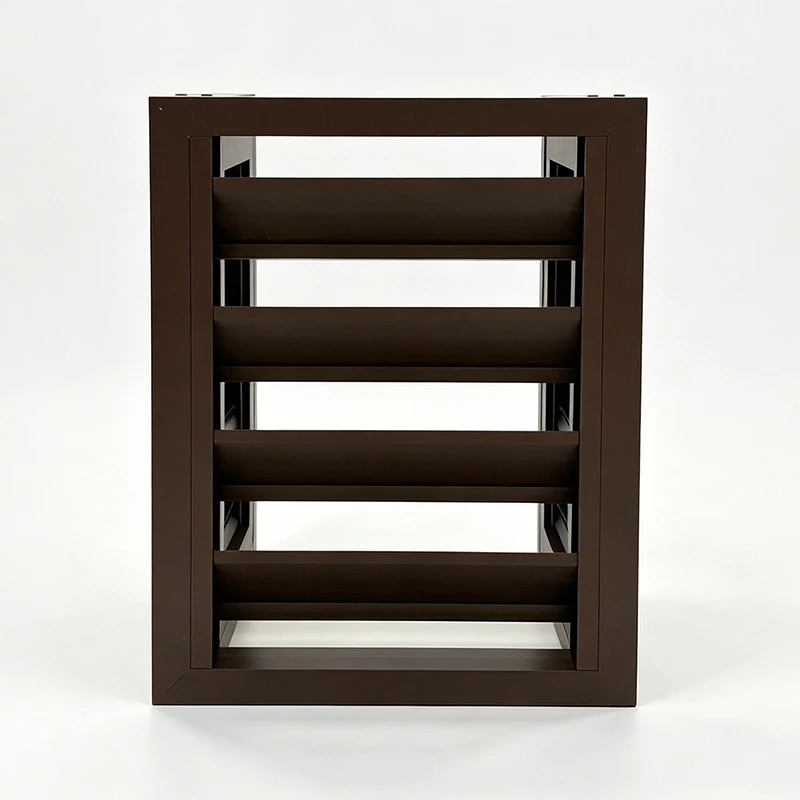
If you’re a contractor, architect, or even a homeowner looking to swap out your cladding for something that’s good for the planet, I’ve got options. I stock a range of aluminum veneer products, from fully recycled options to custom ones for historic projects, all certified for low emissions and recyclability. We can talk through your project, run the numbers on lifecycle impact, and find what works best for you. Just reach out to get the conversation started. No hard sell, just straight answers.
Architectural Aluminum Louvers References:
- Aluminum Association. (2023). Sustainable Aluminum Standard: Environmental Lifecycle Assessment.
- U.S. Green Building Council. (2022). LEED v4.1 Credit Summary for Building Materials and Resources.
- European Aluminium Association. (2021). Circular Economy Report: Aluminum Recycling Rates and End-of-Life Management.
- National Association of Home Builders. (2020). Comparative Lifecycle Analysis of Residential Cladding Materials.
- International Code Council. (2022). Non-Combustible Building Material Performance Standards.
Renqiu Zhongsheng Metal Products Co., Ltd.
Renqiu Zhongsheng Metal Products Co., Ltd. is one of the most professional aluminum veneer manufacturers and suppliers in China, featured by quality products and low price. Welcome to wholesale advanced aluminum veneer made in China here and get pricelist from our factory. Customized orders are welcome.
Address: Liuzhuang Village, Xinzhongyi Town, Renqiu City, Cangzhou City, Hebei Province
E-mail: info@zsaluminum-china.com
WebSite: https://www.zsaluminum-china.com/
