If you’ve spent any time in the scrap processing, demolition, or heavy metal manufacturing industries, you’ve probably heard the question in passing: “Can an alligator shear actually cut steel?” As a supplier of alligator shears for nearly two decades, I’ve fielded this question hundreds of times—from small scrap yard owners just scaling up their operations to large demolition project managers looking to upgrade their cutting equipment. The short answer is yes, but like most things in heavy machinery, it’s not a simple “yes or no” response. It depends on how the shear is built, how it’s maintained, and what kind of steel you’re cutting. Let’s break this down, because understanding the specifics is what makes alligator shears one of the most reliable tools for metal processing on the market. Alligator Shear
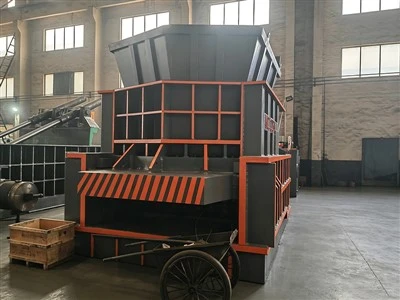
First, let’s get clear on what an alligator shear actually is, because the name can be misleading. It’s not some prehistoric reptile-inspired tool made for raw force alone. Alligator shears are mechanical shears built with a large, pivoting jaw (shaped like—you guessed it—an alligator’s open mouth) that operates via hydraulic or mechanical power, with a fixed lower jaw and a moving upper jaw that closes in a scissor-like motion. Unlike guillotine shears, which cut in a straight vertical line and require a lot of space for long, flat steel bars, alligator shears are designed for bulk, irregular metal: thick steel plates, rebar, I-beams, scrap metal bundles, even large metal castings. That makes them ideal for scrap yards, demolition sites, and metal recycling facilities where you’re not cutting neat, standardized pieces but processing mixed, heavy material.
Now, back to the core question: can it cut steel? To answer that, we have to talk about steel types and thickness, because not all steel is the same. Let’s start with the most common steel processed with alligator shears: mild steel, the stuff used in construction, automotive parts, and general manufacturing. Mild steel has a carbon content of less than 0.3%, which makes it relatively ductile and easy to cut. A well-built alligator shear, with properly hardened cutting blades and enough hydraulic force, can easily slice through mild steel up to 1 inch thick. For smaller profiles—like rebar, thin steel tubing, or sheet metal—they can cut through far more, even several layers at once. I’ve seen our shears process ¾-inch rebar in bundles of 10 or more without so much as a hitch, which is a common task in scrap yards clearing construction debris.
But what about harder steels? That’s where the line gets blurry. High-strength steel, like the kind used in heavy equipment (think bulldozer blades, crane parts, or military-grade armor steel) has a higher carbon content, sometimes over 0.5%, plus alloying elements like chromium or manganese that make it much harder and more resistant to cutting. Most standard alligator shears aren’t built to handle this type of steel. Our entry-level and mid-range alligator shears are designed for standard scrap and construction steel, so cutting high-strength steel would wear out the blades too quickly and put too much strain on the hydraulic system. That said, we do build heavy-duty alligator shears with reinforced frames, higher-horsepower hydraulic pumps, and special tungsten-carbide coated blades that can handle high-strength steel up to 2 inches thick—though even these have their limits. If you’re trying to cut steel that’s extra hard (like tool steel or tempered steel), you’re better off with plasma cutters or oxy-fuel torches, not alligator shears. The key here is matching the shear to the job, which is something I always emphasize to customers who come to us with specific needs.
Another factor that determines whether an alligator shear can cut steel is how the shear is set up and maintained. A lot of people assume that because the shear is “hydraulic” it’s automatically strong enough for any steel, but that’s not the case. The cutting blades are the most critical part of the shear, and if they’re not properly hardened or aligned, they won’t cut through steel—no matter how much force the machine has. I’ve had customers come to us with used alligator shears that were worn out because the previous owner neglected blade maintenance: they let the blades get dull, or they didn’t adjust the gap between the upper and lower jaws, so instead of cutting steel, they were bending it. A dull blade doesn’t just fail to cut steel—it puts extra strain on the entire shear, leading to more breakdowns and higher long-term costs.
Proper operation also matters. You can’t try to force an alligator shear to cut steel that’s too thick for its rating. For example, our mid-range alligator shears are rated to cut 1-inch mild steel, so if you try to push a 1.5-inch thick steel plate through it, the blades will deform, the hydraulic system will overwork, and you’ll have expensive repairs. We always provide customers with a material chart that lists the maximum steel thickness and type each shear can handle, and we never skip that step when training them on how to use the equipment. That’s part of why I tell new customers that investing in a quality alligator shear isn’t just about buying a machine—it’s about matching it to your specific processing needs and taking care of it.
Let’s also address a common misconception: alligator shears are only for small, light steel scrap. That’s not true either. The largest alligator shears we manufacture are used by demolition companies processing entire steel beams from old buildings. I worked with a demolition team in the Midwest a few years back that was clearing a 50-year-old factory, and they were using our heavy-duty alligator shears to cut 12-inch I-beams (which are made of mild steel, roughly 1-inch thick at the base) down to manageable lengths for transport. They were able to process 15 to 20 beams an hour, which was way faster than using torches, and they didn’t have to deal with the safety hazards of open flames on a demolition site with leftover asbestos and other materials. That’s the real value of alligator shears for steel processing: speed, safety, and the ability to handle large, irregular pieces without needing a lot of extra equipment.
Another advantage of alligator shears when cutting steel is the precision of the cut. Unlike torches, which can leave rough, uneven edges that require additional grinding, or guillotine shears which are limited to flat, straight pieces, alligator shears can cut steel at angles, making it easier to prepare metal for recycling or reuse. For scrap yards, that means they can process more material in less time, and the cut steel is more uniform, which is valuable when selling it to metal refiners. We’ve had customers tell us that switching to alligator shears for their steel processing cut their processing time by 40% and reduced their labor costs by almost half, which is a big deal for small to medium-sized operations with tight budgets.
Of course, no equipment is perfect, and alligator shears do have limitations when it comes to cutting steel. As I mentioned earlier, hard, extra-thick steel is a problem, and so is very thin, high-volume sheet metal—though there are specialized alligator shear attachments that can handle that, too. The other limitation is upfront cost. A good alligator shear isn’t cheap, but when you compare it to the cost of multiple torches, labor for cutting, and repair costs from using the wrong equipment, it’s a wise long-term investment. We also offer maintenance plans and replacement parts, so customers don’t have to worry about downtime when their blades wear out.
I get asked all the time if we can build an alligator shear that can cut any kind of steel, and the honest answer is no—any machine has its limits. But what an alligator shear can do is cut most of the steel that you’ll encounter in scrap processing, construction, and demolition, as long as it’s built properly, set up for the job, and maintained regularly. For our customers, that’s exactly what they need. They don’t need a shear that can cut through exotic high-strength steel once a month; they need a reliable machine that can process tons of mild and standard steel every week, without breaking down. That’s why alligator shears have been a staple in the metal industry for over a century—they’re tough, versatile, and built for real-world work.
If you’re in the market for equipment to process steel, whether you’re a small scrap yard just starting out or a large demolition company handling major projects, it’s worth talking to an experienced alligator shear supplier to find the right model for your needs. We work with customers across the industry to match them with shears that fit their material types, processing volumes, and budget, and we provide training and support to make sure you get the most out of your equipment. Cutting steel doesn’t have to be slow, dangerous, or expensive—and an alligator shear might be the solution you’ve been looking for. If you’d like to learn more about our alligator shears and how they can work for your steel processing operations, feel free to reach out to our team to discuss your specific needs.
Horizontal Metal Shaving Briquetting Machine References:
- Steel Metallurgy for the Non-Metallurgist, ASM International, 2007.
- Design and Operation of Hydraulic Shears for Metal Processing, Industrial Press, 2019.
- Scrap Metal Processing Equipment Industry Report, National Scrap Recycling Association, 2022.
- Hardness Testing and Cutting Blade Performance, Journal of Manufacturing Processes, Vol. 45, 2020.
Jiangyin Hangli Technology Co., Ltd.
Jiangyin Hangli Technology Co., Ltd. is one of the most professional alligator shear manufacturers and suppliers in China. We are committed to providing high quality custom service and OEM service with low price. We warmly welcome you to buy high-performance alligator shear for sale here from our factory. Also, pricelist is available.
Address: No. 11, Louxia Road, Zhouxi Village, Zhouzhuang Town, Jiangyin City, Wuxi City, Jiangsu Province, China
E-mail: sherry@hanglimachinery.com
WebSite: https://www.hanglirecycling.com/
