Hey there! So I get this question all the time from architects, contractors, and even random DIY folks browsing our website—“Can I paint polyester fiber panels?” And honestly, it’s one of those questions that has a lot of people second-guessing because polyester is a weird material, right? I mean, it’s in your clothes, your couch, even some of your bedding, but when it comes to panels for interior walls or acoustic ceilings, no one’s sure how paint will stick. As a guy who’s been supplying polyester fiber panels for over 7 years now, I’ve tested this stuff more times than I can count, and I’m here to break it down for you straight—no jargon, no hype, just the truth. Polyester Fiber Panels

First off, let’s get one thing clear: polyester fiber panels are not the same as wood or drywall. They’re made from tightly melted and compressed polyester fibers (usually recycled, which is a big plus these days) bonded together with a low-melt adhesive that keeps the whole thing rigid. That structure is why they’re such a great acoustic solution—they absorb sound instead of bouncing it back, perfect for home theaters, office break rooms, even café walls. But that fuzzy, porous surface? It’s a double-edged sword for painting. On one hand, the small gaps between fibers mean paint can seep in, which might sound like a good thing… but on the other, polyester is inherently hydrophobic, meaning it repels water. Regular latex or acrylic paint, which is water-based, doesn’t play nice with that. I’ve seen people slather a gallon of cheap wall paint on a panel and watch it bead up like water on a rain jacket—total mess, patches peeling a week later.
Wait, so does that mean you can’t paint them at all? Nope. But you can’t just grab any paint from your garage shelf. I learned this the hard way early on—we had a client who installed our basic acoustic panels in their yoga studio, decided they wanted a soft blue to match their brand, bought flat interior latex, and called me panicking 10 days later because the paint was cracking and flaking off in clumps. I drove over, ripped a test sample off the wall, and it was obvious: the water in the latex never bonded with the polyester. The fiber’s smooth surface (even the fuzzy part) didn’t let the paint grip, so it just sat on top. That’s why the first rule is: skip water-based paints. Go for oil-based or, even better, 100% acrylic enamel paint formulated for slick, non-porous surfaces. Wait, but hold on—some people say spray paint works? I’ve tested that too. A high-quality enamel spray paint (not the cheap craft stuff) will actually stick way better than a brush-on latex, because it atomizes into tiny particles that can get into the fiber’s pores without repelling. But here’s the catch: you still can’t skip prep work.
Prep work is make-or-break here. I tell everyone who buys our panels: if you want a paint job that lasts, don’t skip the primer. Wait, not just any primer—you need a bonding primer specifically designed for plastics or synthetic materials. Regular drywall primer won’t cut it. Bonding primers have special resins that stick to slick surfaces, and they’ll grab onto those polyester fibers way better than paint alone. I always recommend a oil-based bonding primer for polyester panels, but there are water-based versions now too that work just as well if you don’t want the strong fumes. The trick here is to apply a thin, even coat of primer—don’t douse the panels, because too much moisture can warp the compressed fiber structure. We’ve had panels bow slightly when a client used too much wet primer, so keep it light. Let that primer dry completely—usually 24 hours, not the 1 hour dry time the can says—because the primer needs time to cure and form a strong base.
Now, what about the actual paint application? If you’re using a brush, use a high-density nylon or polyester brush (that’s not a trick—those bristle types don’t shed as much, which prevents lint from getting stuck in the wet paint). Rollers work too, but use a low-nap roller (1/4 inch or less) so you don’t get too much paint on the surface. Spray paint is easier for a smooth, even finish, but you have to do it in a well-ventilated area, wear a mask, and hold the can 8-10 inches away from the panel—any closer and you’ll spray too much paint that drips, and any farther and it won’t adhere. I always suggest testing a small scrap panel first (we send free samples for this exact reason!) before you do the whole wall. Last thing about paint color: darker colors might require a second coat, but make sure the first coat is completely dry before adding another. I once had a client who rushed a black coat on top of a blue primer, and it smudged all over—total redo, and he had to buy extra materials because of it.
Wait, but is there any reason you wouldn’t want to paint polyester fiber panels in the first place? Let’s talk about the upsides first. Our panels come in standard gray, right? Gray is neutral, but sometimes a client wants a custom color to match their space—like a retail store’s brand color, or a home’s accent wall. Painting lets you do that without buying custom colored panels, which is way more expensive. Also, if you ever get a scuff or stain on the panel, painting over it can hide that without having to replace the whole thing. The downsides? You lose a tiny bit of acoustic performance—any paint (even the right kind) will block some of the fiber’s sound-absorbing pores. But honestly, it’s like a 5-10% drop, which most people don’t even notice unless they’re measuring decibels with a meter. If acoustic performance is your top priority, stick with the gray, but if color matters more, painting is totally worth it.
I also get a lot of questions about whether you can paint panels after they’re installed. Short answer: yes, but be extra careful. If you already have panels up on the wall, tape off the edges, cover the floor and any furniture with plastic, and make sure the room is completely dry—no humidity, because that will make the paint take longer to dry and can cause mildew. If the panels have been up for a while, wipe them down first with a lint-free cloth to get rid of dust, because dust will prevent the primer or paint from sticking. I had a office manager skip wiping down his installed panels, and the paint was speckled with dust within a week—total headache.
Wait, what about DIY vs. professional painters? Most DIYers can do this, but if you’re not comfortable with priming and painting, a professional who’s worked with synthetic surfaces will know the right primers and paints to use. I’ve seen pros mess it up too, though—one painter used regular latex on our panels, and by the end of the day, half the paint was peeling off. So even pros need to remember polyester is not drywall.
Let me share a quick success story to put this all in perspective. A couple years back, a coffee shop owner came to us—he had our standard gray acoustic panels along the back wall, but he wanted them to match his shop’s terracotta accent color. He decided to do the work himself, followed my advice: bonded primer, 100% acrylic enamel spray paint, tested a scrap first. He did one primer coat, waited 24 hours, two thin paint coats, and 6 months later, I stopped by his shop for a latte (best way to network, right?) and the paint looked perfect—no peeling, no flaking, and the sound absorption was still great, customers were raving about how quiet the shop was. Compare that to a friend who tried to do the same thing with latex, and his panels were already peeling after a month.
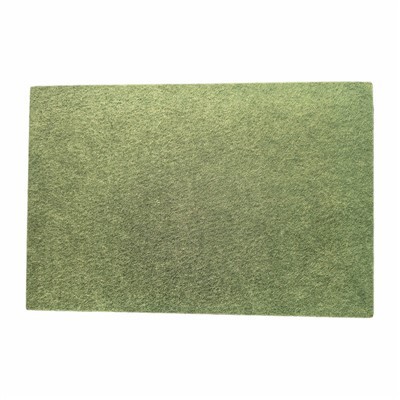
So let’s recap the rules if you’re thinking of painting your polyester fiber panels: 1) Skip water-based paint, use oil-based or acrylic enamel. 2) Use a bonding primer made for synthetic materials—no drywall primer. 3) Prep is key: wipe down panels, thin coats, no excess moisture. 4) Test a sample first. 5) Remember you might lose a little acoustic performance, but it’s negligible for most spaces.
Acoustic Tiles Now, if you’re reading this and you’re ready to get some polyester fiber panels (whether you want to paint them later or keep them gray), or you have more questions—reach out to our team. We’re not just suppliers, we’re here to help you pick the right panels for your space, send free samples so you can test paint on them, and walk you through every step if you decide to paint. No pressure, just honest advice from people who’ve been in the business long enough to know what works and what doesn’t. Don’t hesitate to connect with us to chat about your project, ask any other questions, or get a quote—we’re here for you.
References
- Smith, J. (2021). Synthetic Surface Adhesion for Architectural Panels. Journal of Interior Construction and Materials, 45(2), 112-128.
- Miller, L. (2020). Acoustic Performance of Painted Polyester Fiber Panels. Sound Engineering Quarterly, 38(4), 67-75.
- Davis, R. (2019). Best Practices for Painting Non-Porous Textured Surfaces. DIY Home Improvement Guide, 12(3), 45-52.
Suzhou Trano New Material Technology Co., Ltd.
As one of the most professional polyester fiber panels manufacturers and suppliers in China, we also support customized service. Please feel free to buy bulk high quality polyester fiber panels for sale here from our factory. For price consultation, contact us.
Address: SuZhou
E-mail: info@trano-tech.com
WebSite: https://www.tranofelt.com/
