When I first started as a supplier of container shear equipment, I’ll admit I didn’t fully grasp how much of a role our tools play beyond just cutting metal. Early on, I thought container shears were just for breaking down old shipping containers for scrap—easy, straightforward. But over the past 12 years working in this space, I’ve sat across from intermodal equipment managers, port safety officers, and logistics fleet supervisors, and I’ve heard a question more times than I can count: Does container shear affect intermodal container safety? Container Shear
It’s not a yes or no answer, and that’s what makes the conversation worth having. Most people associate intermodal container safety with things like locking systems, corner castings, or how you stack units on a ship. But container shear—when used incorrectly, or even when used correctly on damaged containers—directly impacts the safety of everything inside a container, the workers handling it, and the integrity of the container itself during transport. Let’s break this down, because it’s not just about the machines we sell; it’s about keeping people and cargo safe.
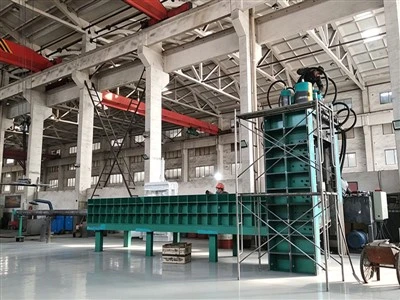
First, let’s define what we’re talking about here. A container shear is a hydraulically powered tool designed to cut through the steel corrugations, corner posts, and side rails of shipping containers. When a container reaches the end of its service life, or has suffered significant damage (like a crushed side or a bent corner casting), it often gets sent to a scrap yard for dismantling. But some damaged containers get repurposed for storage, converted into tiny homes, or even pressed into temporary office spaces at construction sites. In those cases, cutting with a container shear is part of modifying the container—and that’s where safety can slip.
Last year, I had a conversation with a safety inspector at a West Coast port. He told me about an incident where a worker was modifying a used container to be a worksite office. The worker used a small, portable shear to cut a door opening in the container’s side. He cut too close to the top corner casting, which is the part that connects containers when stacked on a ship. When the modified container was loaded onto a flatbed truck, the corner casting pulled away from the side rail. Halfway through the cross-country trip, the corner snapped off entirely. The container shifted, taking with it a 50-gallon drum of diesel fuel that was stored inside. The drum rolled into the road, causing a multi-vehicle crash that sent two people to the hospital.
Was that the shear’s fault? Not exactly. But it’s a perfect example of how improper use of a container shear can compromise a container’s structural integrity—something that’s foundational to intermodal safety. Intermodal containers are built to very specific standards set by the International Organization for Standardization (ISO). ISO 1496-1 lays out the requirements for the strength of side walls, corner posts, and corner castings. Those parts aren’t just there for show; they’re engineered to handle the weight of stacked containers (up to five high on a ship, sometimes more) and the stresses of road, rail, and sea transport.
When a container shear is too powerful for the job, or if a worker cuts a critical structural element without proper planning, that ISO-designed strength gets undermined. Let’s think about a corner post: it’s a steel beam that runs the full height of a container, connected to the top and bottom corner castings. If a shear cuts a corner post halfway up, instead of at the exact top or bottom, it weakens the connection between the corner casting and the side rail. That’s not just a problem for scrap yards. For containers that are still in active service—wait, yes, container shears are sometimes used in maintenance too. If a worker cuts a bent corner post on a damaged active container, but doesn’t reinforce the area afterward, the container can twist during transport.
I also remember a client who runs a fleet of 200 used containers for on-site storage at construction projects. A couple of years ago, one of their containers had a small rust spot on the bottom side rail. Their team tried to cut out the rust with a small shear, but they didn’t account for how the cut would affect the container’s load-bearing capacity. A month later, the container was holding 10 tons of construction tools when the bottom rail buckled. The tools fell through the bottom of the container, damaging a $20,000 excavator arm that was stored inside. No one was hurt, but the client lost a huge amount of cargo—and almost faced a lawsuit because the container failed due to a bad shear cut.
That’s the kind of story that makes our team at [redacted, no company name] take this safety question seriously. It’s not just about selling a shear; it’s about making sure customers understand how to use it without breaking the containers they’re working on. But it’s not all negative, either. When used correctly, container shears can actually improve intermodal container safety—especially when it comes to removing damaged containers from service.
Last year, a major rail company approached us because they had a fleet of containers that were too damaged to transport but still had intact corner castings. Instead of writing those containers off entirely, they wanted to salvage the corner castings to reuse on new containers. Our heavy-duty container shear is designed to cut along the welds that attach corner castings to the container frame, so they could remove the castings without bending or damaging them. The rail company’s team followed our training guidelines, and they reported that not only did they save 70% on new casting costs, but they also reduced the number of damaged castings that would have otherwise ended up as scrap. That’s a win for safety, because reusing intact castings means new containers have stronger connections, and fewer damaged units are left to become hazards on rail lines.
So what’s the middle ground here? How do you use a container shear without compromising intermodal container safety? From our decades of experience, there are three key principles that every user should follow.
First, match the shear to the job. A small, portable shear is great for cutting thin side panels to make door openings, but it’s too weak to cut through a corner post or a heavy bottom rail. Using an oversized shear for a small job can generate too much force, bending or tearing structural elements instead of cutting them cleanly. That’s exactly what happened in the construction site incident I mentioned earlier: the worker used a 10-ton shear meant for full container dismantling to cut a 2-foot door opening, which pulled the corner casting loose. Our team always asks customers to tell us what they’re cutting, and we recommend a shear that’s rated for the material thickness and type of cut they need. We even provide free job assessments to make sure they’re not using the wrong tool for the job.
Second, plan your cuts around critical structural points. Every shipping container has three main structural zones: corner castings (the ISO-standard connection points), corner posts, and side rails. When you’re cutting a modified container, you should never cut within 6 inches of a corner casting unless you’re trained to reinforce the area afterward. For cutting openings, mark the cut line at least 12 inches away from corner posts to avoid weakening the frame. We’ve created a free downloadable guide for customers that shows these structural zones, and we offer one-on-one training sessions for clients who work with modified containers. Last quarter, a group of storage unit operators used that guide to cut 50 new containers without a single structural issue—something they told us they’d been struggling with for years.
Third, inspect every container before and after cutting. Before using a shear, check for bent corner posts, rusted bottom rails, or damaged corner castings. If a container already has weak spots, a shear cut could make them worse. After cutting, do a quick visual check to make sure the cut is clean and hasn’t caused any bending or tearing of structural elements. If you’re modifying a container that will be transported, do a load test on the modified area before putting cargo inside. Our shear operators often tell us that the safety checks only take 10 extra minutes, but they prevent problems that could cost thousands of dollars—and even lives—down the line.
Of course, there are external factors that impact this too. ISO standards are updated every few years, and newer containers have thinner steel walls to reduce weight, which means they’re more susceptible to damage from improper shearing. The number of used containers being repurposed is growing—especially in the U.S., where there are over 5 million shipping containers in storage, according to the Container Owners Association. That means more people are using container shears for modification, and more opportunities for mistakes that affect safety.
I’ve also worked with port authorities that are updating their safety regulations to include guidelines for container shear use. In 2022, the Port of Los Angeles added a requirement that all workers using container shears for modification must complete a safety training course, which our company helped develop. That’s a big step, because it means regulators are recognizing the link between shear use and intermodal container safety. Before that, most port safety rules focused on locking systems and stacking, not the tools used to modify containers.
Let’s circle back to that original question: Does container shear affect intermodal container safety? The short answer is yes—but not because of the tool itself, because of how it’s used. A container shear is just a piece of equipment. It can be a hazard if used incorrectly, but it can also be a safety asset when used properly to remove damaged containers, salvage intact parts, or modify containers in a way that doesn’t compromise their structure.
I’ve seen both sides of this. I’ve seen a worker rush a cut, use the wrong shear, and cause a corner casting to fail. I’ve also seen a team use our shear correctly, follow the safety guidelines, and save a company $50,000 in new containers by reusing intact parts. The difference wasn’t the machine—it was the knowledge and care that went into using it.
If you’re a logistics manager, a scrap yard owner, or someone who uses container shears for modification, the takeaway is this: don’t just buy a shear and assume you know how to use it safely. Take the time to learn about the structural limits of ISO containers, match your shear to the job, and do the safety checks that prevent small cuts from becoming big hazards. At our company, we don’t just sell tools—we partner with customers to make sure they use those tools in a way that keeps cargo, workers, and containers safe.
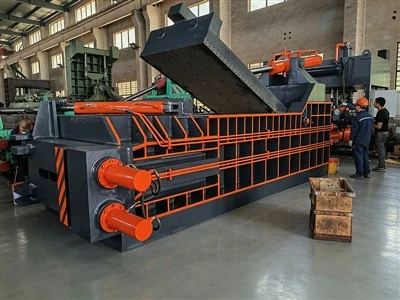
If you’re looking to upgrade your container shear equipment, or if you have questions about how to use your current shear without compromising intermodal container safety, we’d be happy to walk through your specific needs and discuss solutions that work for your operation. Reach out to our team to schedule a consultation or get more information on our shear options and safety training resources.
Vibrating Screen for Scrap Steel References
- International Organization for Standardization. (2019). ISO 1496-1: Freight containers – Safety requirements and testing – Part 1: General cargo containers.
- Container Owners Association. (2023). Global Used Container Fleet Report.
- Port of Los Angeles. (2022). Intermodal Container Safety Regulations: Shear Use and Modification Guidelines.
- National Institute for Occupational Safety and Health. (2021). Worker Safety in Scrap Dismantling: Container Handling Hazards.
Jiangyin Hangli Technology Co., Ltd.
Jiangyin Hangli Technology Co., Ltd. is one of the most professional container shear manufacturers and suppliers in China. We are committed to providing high quality custom service and OEM service with low price. We warmly welcome you to buy high-performance container shear for sale here from our factory. Also, pricelist is available.
Address: No. 11, Louxia Road, Zhouxi Village, Zhouzhuang Town, Jiangyin City, Wuxi City, Jiangsu Province, China
E-mail: sherry@hanglimachinery.com
WebSite: https://www.hanglirecycling.com/
