If you’ve ever been strolling through a home renovation store, scrolling for accent wall inspo online, or helping a friend pick out wall stuff for their new apartment, you’ve probably seen two big players at the top: vinyl wallcovering and fabric wallcovering. I’ve been in the vinyl wallcovering game for over 10 years now, talking to homeowners, designers, small contractors, and even a few confused DIYers who thought “wallpaper is wallpaper” until they were stuck picking a product at 9 PM before a big move. Let’s cut through the marketing fluff and break down what actually makes these two different—no fancy jargon, just real talk from someone who’s moved a lot of rolls over the years. Vinyl Wallcovering
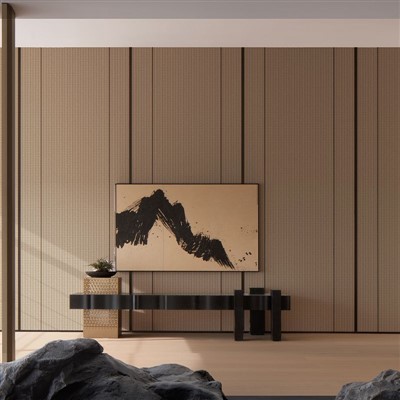
First up, the basics that make them totally different under the hood, right? Vinyl wallcovering is exactly what it sounds like, at its core: a base layer (usually paper or non-woven, which is that super tough, flexible fabric-like mesh) coated in a layer of polyvinyl chloride, AKA PVC. A lot of people hear “PVC” and immediately think “toxic,” but modern vinyl wallcovering isn’t the same stuff that used to line shower curtains 20 years ago. Most of the rolls I supply are low-VOC, and we make sure to skip the old, phthalate-heavy formulations that earned vinyl a bad name back in the day. Fabric wallcovering, on the other hand, is exactly what it sounds like: it’s made from actual fabric—cotton, linen, polyester, even silk sometimes—glued (or sometimes woven) to a backing that’s usually paper or non-woven so it’s stiff enough to hang on a wall.
Let’s start with installation because this is where most of my customers come to me panicking. I once had a tiny interior designer knock on my warehouse door at 4:30 PM on a Friday, holding a roll of silk fabric wallcovering, and ask if I had a repair kit for when one of their installers nicked it halfway up a 10-foot accent wall. Installation time and skill needed is such a big difference. Vinyl wallcovering is way more forgiving, especially for DIYers or contractors who don’t specialize in fabric materials. The coated layer is tear-resistant, it doesn’t stretch much, so when you’re lining up pattern repeats, it’s way easier to get them straight without having to pull and adjust every 5 minutes. Most vinyl rolls are also pre-trimmed with a thin edge, so when you hang them, there’s no weird overlap or uneven seam that shows. Fabric wallcovering? That’s a different beast. Fabric stretches when you wet it to hang, so if you’re not experienced, you’ll end up with wavy seams or a wall that’s lumpy in spots. Also, you can’t really trim it the same way—if you snip it too deep, the fabric will fray, leaving ugly fuzzy edges. It takes a pro with specialized tools (like a seam roller that won’t catch fabric threads) to get a clean, seamless install, which means more labor cost for homeowners.
Next up, durability—this is where vinyl absolutely crushes fabric, no contest. Let’s be real, walls get beat up. You’ve got kids running around with crayons, dinner spills, furniture scuffing, that one guest who leans against the wall with their muddy boots, and even regular wear like opening and closing doors that smack the trim. Vinyl wallcovering is waterproof (or at least splash-resistant, depending on the grade) and super easy to wipe clean. A magic eraser or a damp cloth with a little mild soap will get crayon marks, coffee spills, even those random kid stickers that got ripped off right off in 2 seconds. I’ve had customers tell me their vinyl walls still look new 15 years after installation, even in a high-traffic entryway. Fabric wallcovering? It’s basically a sponge. If you spill red wine on it? You’re screwed before you can grab a paper towel. Even water spots from cleaning can leave permanent marks because fabric absorbs liquid way faster than vinyl. And scuffs? If your couch arm rubs against fabric wallcovering, you’ll get a permanent shiny spot that’s almost impossible to buff out. It’s also way more prone to fading in direct sunlight—fabric dyes don’t hold up as well as vinyl coatings do. I had a client who put fabric wallcovering in their sunroom, and by the end of the summer, half the wall was a lighter shade than the other half.
Don’t get me wrong, fabric wallcovering isn’t useless—there are scenarios where it’s perfect, but it’s not for every space. Let’s talk about that appearance and feel thing, because that’s what a lot of people care about. Fabric wallcovering has that soft, tactile, luxe look, right? It adds warmth to a room, it absorbs sound, so it’s great for home offices or bedrooms where you don’t want echo. The textures are also way more varied—you can get woven linen, velvet, even wool blends for a cozy, high-end vibe. Vinyl wallcovering can mimic that look now, though—modern vinyl has come so far that you can get rolls that look like genuine linen, grasscloth, even leather, and most people can’t tell the difference until they touch it. The big win for vinyl here is consistency: every roll is exactly the same, whereas fabric can have small natural variations in dye and weave, which might be noticeable on a big wall. Also, fabric wallcovering is usually more expensive upfront—we’re talking $50 to $200 a roll, versus vinyl which is usually $20 to $100 a roll. That doesn’t include installation, though—remember, fabric needs a pro, so labor costs can add another $1,000 or more depending on the size of the room. Vinyl can be hung by a regular painter or even a handy DIYer, so you save on labor.
Maintenance is another big one. Long after installation, what you have to do to keep these walls looking good is night and day. Vinyl is mold-resistant too, because the PVC layer is non-porous, so it’s perfect for bathrooms, laundry rooms, or basements where there’s extra humidity. Fabric is porous, so it can trap moisture and grow mold if it’s in a damp space—way more of a hassle to clean and maintain, and if you ever have to replace a section, good luck finding an exact match because fabric dye lots change all the time. I once had a customer with fabric wallcovering in their bathroom that got mold behind a baseboard, and we had to tell them they’d have to redo the whole wall because you can’t replace just a section without it looking different. With vinyl? If you nick a spot or need to replace a section, you just order that exact roll, cut out the damaged part, and patch it in—super easy, no one will even notice.
Wait, let’s address the elephant in the room: sustainability. A lot of people assume fabric is more eco-friendly because it’s “natural,” but that’s not always the case. Some fabric wallcovering is made from sustainable cotton, but a lot of it is treated with chemicals to make it stain-resistant, which leaches out over time. And when fabric gets old or stained beyond repair, you can’t really recycle it easily—it’s just fabric glued to a backing that’s hard to separate, so it usually ends up in a landfill. Modern vinyl wallcovering, on the other hand, is recyclable now—most of the rolls we supply are made with post-consumer recycled PVC, and we partner with recycling facilities that take old vinyl wallcovering rolls and turn them into new products, like road signs or playground equipment. Also, vinyl lasts way longer—if you take care of it, it can last 20 years or more, versus fabric which usually needs replacing every 5 to 10 years because of fading, staining, or damage. That means less waste over time.
I get why people get confused, too—for a long time, vinyl had a bad reputation for being cheap, plasticky, and toxic. That’s old news, though. The vinyl wallcovering we sell is GREENGUARD certified, which means it has low chemical emissions, so it’s safe for homes with kids and pets. A lot of our customers are parents or people with allergies, and they specifically choose vinyl because it’s non-porous, so it doesn’t trap dust mites or pet dander like fabric does. Fabric is a dust magnet—all those threads catch dust, which means you have to vacuum it regularly, something no one wants to do on a wall.
So who should pick which? Let’s break it down. If you’re renovating a high-traffic area—entryway, kitchen, kid’s playroom, bathroom—vinyl is the way to go. It’s durable, easy to clean, affordable, and low-maintenance. If you want that luxe, warm vibe for a bedroom, formal living room, or a space where you have a pro installer and you don’t have to worry about spills or heavy scuffs, fabric could work, just know it’s higher cost and more work.
At the end of the day, it all comes down to your space, your budget, and how much work you want to put in long-term. I’ve seen way too many homeowners go for fabric because it looks “fancy” and end up regretting it when they spill wine a few months later. I’ve also seen vinyl work perfectly for small apartments where you need something easy to install and easy to clean.

If you’re trying to pick the right wallcovering for your space and want advice tailored to your specific room, or you’re ready to order rolls for your next project, reach out to chat. I’m happy to help you figure out what works best for your needs, no pressure.
Printable Wall Vinyl References
- National Wallcovering Association. (2022). Residential Wallcovering Material Guide.
- U.S. Environmental Protection Agency. (2021). Volatile Organic Compounds in Building Materials: Vinyl vs. Textiles.
- Interior Designers of America. (2023). Durability and Maintenance of Wall Finishes for High-Traffic Spaces.
- Sustainable Packaging Coalition. (2022). Life Cycle Comparison of Vinyl and Natural Fiber Wallcoverings.
- Vinyl Institute. (2023). Modern Vinyl Wallcovering Formulations and Environmental Impact.
Anhui Mukang New Materials Co., Ltd.
As one of the most professional vinyl wallcovering manufacturers and suppliers in China, we offer a wide range of products with superior quality. Please feel free to wholesale advanced vinyl wallcovering made in China here from our factory. Customized orders are welcome.
Address: No. 10-11 Gates, Workshop 2, East Gate of Chunhui Entrepreneurship Park, Gongye Road, Chengnan Town, Yu’an District, Lu’an City, Anhui Province
E-mail: mukang2026@outlook.com
WebSite: https://www.mukonwallcovering.com/
