If you’re running a motorcycle repair shop, a parts distributor, or even a custom bike build, you know how easy it is to overlook a bearing until it’s the reason a ride comes to a screeching halt. Last year, I had a customer bring in a 2018 sportbike that had cut out mid-ride—turns out the wheel bearing the shop had ordered from a cheap, overseas supplier had corroded after just three months of use. That experience stuck with me; it’s why I’ve spent the last five years not just selling motorcycle bearings, but vetting every manufacturer I work with. A good bearing doesn’t just spin—it keeps riders safe, reduces maintenance costs, and lets a bike perform the way it was designed to. Today, I want to break down the non-negotiable characteristics that define a top-tier motorcycle bearing manufacturer, based on what I’ve learned through dozens of conversations with engineers, shop owners, and riders who’ve put their trust in these parts. Motorcycle Bearings
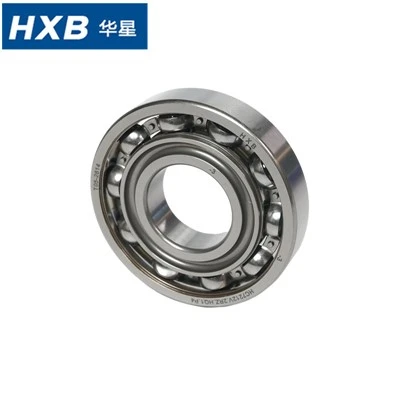
First, and most critical for motorcycle-specific applications, a manufacturer has to understand the unique loads and environmental conditions two-wheels face. Car bearings operate on smooth, paved surfaces with consistent weight distribution, but motorcycles? They lean hard into turns, absorb jarring hits from potholes or uneven pavement, and sit exposed to rain, road salt, and oil leaks from the engine. I once tested a generic automotive bearing in a sportbike wheel hub—after 1,000 miles of canyon riding, the inner race had developed uneven wear from the dynamic side loads that bikes generate. A good manufacturer doesn’t just repackage generic bearings for two-wheel use; they design with motorcycle duty cycles in mind. For example, top manufacturers will adjust the contact angle of angular contact bearings used in wheel hubs to handle both radial load (from the bike’s weight) and axial load (from leaning). They’ll also use seals tailored to two-wheels—double-lip, rubber-on-rubber seals that don’t catch on brake components but block water and road debris, unlike single-lip seals meant for stationary industrial equipment. I only work with manufacturers who send me engineering spec sheets that list motorcycle-specific load ratings, not just generic “high load” claims. It’s the difference between a bearing that lasts 10,000 miles and one that lasts 40,000 miles, even under the same riding conditions.
Next, precision manufacturing isn’t a nice-to-have—it’s a requirement for motorcycle bearings. Even a 0.001-inch deviation in the inner race’s diameter can cause excessive vibration, which wears down not just the bearing, but the wheel hub, brake rotors, and even the motorcycle’s frame over time. I’ve seen cheap bearings that feel slightly wobbly when you spin them by hand; that’s lack of precision. A good manufacturer uses computer numerical control (CNC) grinding for both inner and outer races, and they perform roundness checks at every step of production. One manufacturer I partner with has a zero-defect policy for their bearing bores, using coordinate measuring machines (CMMs) to test every 100th part instead of a random sample. They also use quality control steps specific to motorcycle bearings: for wheel bearings, they test for axial play within a 0.002-inch tolerance, which is tight enough to prevent vibration but loose enough to let the wheel spin freely. This level of precision matters because motorcycle components are engineered to work together at high speeds—even a tiny defect can turn a safety issue. For example, a front wheel bearing with uneven wear can cause brake pulsation at 60 mph, which is not just annoying but can lead to loss of control during hard stops.
Then there’s material science expertise. Motorcycle bearings have to withstand extreme heat—engine bearings, for instance, can reach 250 degrees Fahrenheit during high-speed cruising, and wheel bearings see heat from braking. Cheap manufacturers use standard carbon steel, which warps and corrodes quickly under these conditions. Top manufacturers use high-grade chrome steel (like AISI 52100) for most motorcycle applications, which has a higher hardness rating (Rockwell C 60-64) to resist wear. For heavy-duty bikes or off-road motorcycles, many of these manufacturers also use case-hardened steel, which adds a tough outer layer to handle impact from rocks and mud. I once worked with a rider who had replaced his off-road bike’s wheel bearing four times a season until he switched to a case-hardened bearing from a reputable manufacturer; that part lasted three full seasons of trail riding. Beyond steel, good manufacturers know when to use specialty materials: ceramic rolling elements for high-performance sportbikes, which reduce weight and friction by 20% compared to steel, leading to better fuel efficiency and faster acceleration. They also offer corrosion-resistant coatings, like zinc or black oxide, for bikes ridden in rainy or coastal areas. If a manufacturer can’t explain the difference between AISI 52100 and case-hardened steel, or can’t tell you when to use a ceramic bearing, they’re not invested in making a part that works for motorcycles.
Warranty and customer support are two more traits that set great manufacturers apart from the rest. I’ve had suppliers brush off a defective bearing batch, saying “it’s just a manufacturing flu,” but top-tier manufacturers stand behind their parts with clear, motorcycle-specific warranties. For example, one manufacturer I work with offers a 2-year or 30,000-mile warranty on their wheel bearings, whichever comes first, and they’ll replace any part that fails due to manufacturing defects—no fine print about “abuse from racing” (as long as the rider installed it correctly, per their guidelines). Even better, they offer technical support: if a shop calls and says a bearing is making noise after installation, their engineering team will help troubleshoot, instead of just sending a replacement. I’ve had a few small repair shops come to me because they were frustrated with suppliers who couldn’t answer questions about proper bearing installation for a specific bike model. A good manufacturer will provide installation guides tailored to popular motorcycle models, torque specs for bearing preload, and even training for shops that want to learn more about bearing maintenance. That level of support isn’t just good for my business—it’s good for riders, who get consistent, reliable parts when they need them.
Another often-overlooked characteristic is the manufacturer’s commitment to sustainability, which translates directly to better parts for long-term use. It might seem unrelated, but manufacturers that prioritize reducing waste and using recycled materials often have tighter quality control processes, because they can’t afford to waste expensive materials on defective parts. One manufacturer I partner with recycles 95% of their production scrap steel, and they’ve reduced their energy use in CNC grinding by 18% over the last five years. They also test their recycled steel for consistency, because even a small impurity can ruin a batch of bearings. This focus on efficiency means they’re investing in better machines and processes, which leads to more precise, durable parts. In contrast, cheap manufacturers often use low-quality scrap steel and outdated equipment, cutting corners that hurt both the environment and the part’s lifespan. For my business, working with sustainable manufacturers also means I can market my bearings to eco-conscious riders, who want parts that don’t just last longer but have a smaller carbon footprint.
Let’s talk about what to avoid, because it’s just as important to know the red flags as it is to know the good traits. A manufacturer that only offers generic bearings with no motorcycle-specific specs, a warranty that’s less than 12 months, or that can’t explain their material choices is a risk. I once ordered a batch of “motorcycle wheel bearings” from a supplier who listed their load capacity as “1,000 lbs”—a number that works for most cars, but a sportbike’s front wheel can see 2,000 lbs of axial load during hard cornering. Those bearings failed within 2,000 miles, and I had to refund all my customers. That’s why I now vet every manufacturer’s engineering data, test sample bearings in real-world conditions (I keep a fleet of test bikes for this), and only work with partners who are transparent about their processes.
At the end of the day, a good motorcycle bearing manufacturer isn’t just a parts maker—they’re a partner who understands that their product is a critical piece of a rider’s safety. Whether it’s a commuter’s daily bike, a custom café racer, or a off-road dirt bike, riders trust their bearings to keep them on the road. For me, that means I don’t just sell bearings—I sell parts that are designed, made, and backed by people who care about motorcycles as much as I do.
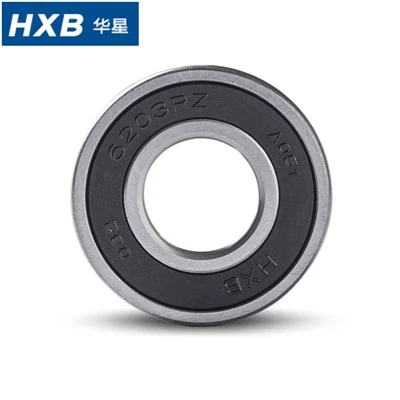
If you’re a repair shop owner, parts distributor, or bike builder looking for reliable motorcycle bearings that won’t let you (or your customers) down, I’m here to help. I’ve curated a catalog of bearings from manufacturers that meet all these criteria, and I can walk you through the best options for your specific needs, whether you’re serving commuters or high-performance sportbike riders. Reach out to me to discuss your requirements, order samples, or get technical support for your next project.
Motorcycle Bearings References
- Society of Tribologists and Lubrication Engineers. (2022). Load Requirements for Motorcycle Bearings. Tribology Transactions Journal.
- Automotive Bearings Manufacturers Association. (2021). Precision Manufacturing Standards for Two-Wheel Bearings. Industry Technical Report.
- International Organization for Standardization. (2020). ISO 1206: Rolling Bearings for Motorcycles – Specifications and Test Methods.
Hangzhou Huaxing Kechuang Holding Group Co., Ltd.
Hangzhou Huaxing Kechuang Holding Group Co., Ltd. is one of the leading manufacturers and suppliers of motorcycle bearings in China, featured by quality products and good service. Please rest assured to buy bulk durable motorcycle bearings from our factory. Welcome to view our website for more information.
Address: No.553 Yingbin Road, Linping, Hangzhou, 311100, China
E-mail: wmb@huaxingbearing.com
WebSite: https://www.hxbbearing.com/
